You might be starting a temporary job assignment, relocating to a new city, or simply looking for somewhere to live for a while. Whatever your situation, if you’re weighing an extended stay hotel vs an apartment, the first question is usually simple: Which one costs less?
At first glance, apartments often seem cheaper because monthly rent may appear lower than the nightly rate at an extended stay hotel. But that comparison can be misleading. Apartments usually involve additional setup costs before you can move in, while extended stay hotels typically bundle utilities, internet, furnishings, and other living expenses into a flat rate.
In this guide, we compare extended stay hotels and apartments across common housing scenarios. We consider how costs, flexibility, and living expenses differ to help you decide which option may make more financial sense depending on your situation.
Quick Answer: Extended Stay Hotel vs Apartment
Extended stay hotels are often more cost-effective for shorter stays because utilities, internet, furniture, and other living expenses are typically bundled into a single rate. Apartments may become more economical for longer stays once upfront costs, such as deposits, furniture, and utility or service setup, are spread out over time. In most cases, extended stay hotels make the most financial sense for temporary housing lasting a few weeks to several months, while apartments tend to be more economical for year-long or more permanent living situations.
Extended Stay Hotel vs Apartment: What’s the Difference?
Both an extended stay hotel and an apartment offer private living space and the basic amenities needed for daily life. However, they are designed for different living situations, and these differences influence everything from upfront costs to how living expenses are managed.
At-a-Glance Comparison: Extended Stay Hotel vs Apartment
|
Feature |
Extended Stay Hotel |
Apartment |
|
Lease |
No lease required |
Typically requires a lease |
|
Furnished |
Fully furnished |
Usually unfurnished |
|
Utilities |
Generally included |
Separate monthly bills |
|
Internet |
Often included |
Separate service |
|
Upfront costs |
Minimal deposit |
Security deposit and fees |
|
Flexibility |
Weekly or monthly stays |
Fixed lease terms |
|
Insurance |
Typically not required |
Often required |
|
Parking |
Usually included |
May be a separate monthly fee |
What about amenities? While some higher-rent apartment buildings boast a communal rooftop terrace or swimming pool, extended stay hotels often allow guests to pay only for what they need. This may include extended stay hotel features like accommodating hotel pet policies, Wi-Fi, access to a fitness center, or a warm cup of complimentary coffee in the lobby.
Lease vs Flexibility
One of the biggest differences between an extended stay hotel and an apartment is the level of commitment involved.
Most apartment rentals require a lease, often lasting 12 months. In fact, federal housing data shows that most U.S. rental leases run for one year. Breaking that lease early may involve penalties, lost deposits, or several months of additional rent, depending on the agreement. Month-to-month leases do exist, but they typically come at a premium that may make your dream apartment feel less affordable.
Extended stay properties operate differently. Guests can typically book stays by the night, week, or month, allowing you to extend your visit as needed without committing to a long-term housing contract. If you’re relocating for work, starting a temporary assignment, or waiting to secure permanent housing, this flexibility can make extended stay accommodations easier to manage than a traditional lease.
Furnished vs Unfurnished
Another key difference is how much setup is required before moving in. Apartments are usually rented unfurnished. Tenants typically must purchase furniture, cookware, bedding, window treatments, and other essentials before the space becomes fully livable. Add to this the cost of household appliances, and the price tag for furnishing your short-term lease can easily run into the thousands. Furnished units are available, but they are usually harder to find and often command higher rent.
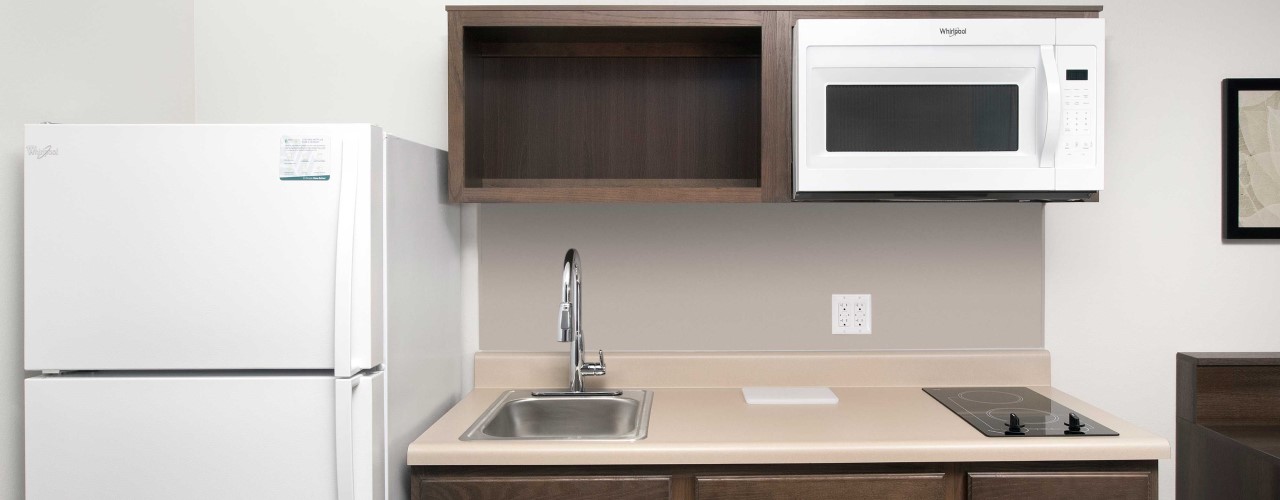
By contrast, extended stay accommodations are designed to be move-in ready. Rooms generally include furniture and basic kitchen facilities, allowing guests to settle in fast. For shorter stays, avoiding the cost and effort of furnishing a living space can make extended stay lodging feel the more practical option.
Bundled vs Separate Bills
Living expenses are also structured differently. In addition to paying rent, apartment renters usually manage several bills, such as utilities and internet service. Setting up these services when moving into a new apartment can take time and involve additional fees. There may also be community-style charges, such as trash collection, that you’re required to pay depending on the facility you’re moving into. Even renters insurance, while typically inexpensive, adds up.
Extended stay properties tend to bundle these expenses into one rate. Utilities, Wi-Fi, and furnishings are often included, allowing guests to pay a single predictable price. This bundled pricing model can make budgeting easier and helps avoid the need to manage multiple service providers.
How Extended Stay Hotel Pricing Works
One key difference between extended stay hotels and apartments is how pricing works. Extended stay hotels typically use a tiered pricing structure based on how long a guest plans to stay.
In most cases, the longer the stay, the lower the average nightly rate becomes. For example, a room booked for a single night normally carries the highest per-night price. But when guests stay a week or a month, many extended stay properties offer discounted rates that reduce the average nightly cost. This pricing model is designed for guests staying longer than a typical hotel visit who may not want the commitment of an apartment lease.
Typical Extended Stay Pricing Structure
|
Length of Stay |
Typical Pricing Structure |
|
Nightly stay |
Highest per-night rate |
|
Weekly stay |
Discounted compared with nightly pricing |
|
Monthly stay |
Lowest average nightly rate |
Because of these discounts, the cost of staying at an extended stay property for several weeks or months at a time can be significantly lower than the advertised nightly rate might initially suggest.
Cost Comparison: Extended Stay Hotel vs Apartment
One of the most useful ways to compare an extended stay hotel vs apartment is to consider the broader cost of living across several timeframes. The following examples illustrate how those differences can affect the overall cost of housing depending on how long you plan to stay.
Note: Costs can vary widely depending on location, property type, and individual circumstances.
Short-Term Stay: Up to One Month
A shorter stay is where the cost difference between apartments and extended stay hotels is most clear. Renting an apartment for only one month may require paying a deposit, setting up utilities, and furnishing the space — expenses that may not make financial sense for that length of time.
In contrast, extended stay hotels typically allow guests to move in immediately with essential living expenses included.
Medium-Term Stay: Several Months
When someone plans to stay for several months, the cost comparison becomes more nuanced. Apartment rent may begin to seem like a more appealing option, but several factors can still affect the overall cost.
For example, while some rental properties offer shorter or even month-to-month leases, these arrangements typically come with higher monthly rent or additional fees. With an extended stay hotel, guests can book weekly or monthly rates without committing to a traditional lease. For several-month stays, breaking down the actual costs for your situation can help clarify which option makes more sense.
Long-Term Stay: Around a Year
For longer housing timelines, the cost comparison can shift. If you’re expecting to remain in the same location for a year or longer, a traditional apartment lease typically starts to become the more economical option.
Leasing an apartment may also make sense for other reasons:
- You already own furniture and household items. Once those setup costs are covered, renters can spread housing expenses over a longer period, which can reduce the overall cost of living.
- You want to personalize your living space. If you’re seeking a more permanent feel, the ability to customize a home environment can make leasing an apartment the more appealing choice — though it’s quite possible to personalize your space in an extended stay hotel, too.
The Real Difference Isn’t Just Price
Cost comparisons help clarify the financial side of the equation, but price is only one factor when choosing between an apartment and an extended stay hotel. One of the biggest differences between the two options is flexibility.
In many cases, the decision between an apartment and an extended stay hotel ultimately comes down to how predictable (or unpredictable) your timeline is. If your long-term plans are uncertain, the ability to adjust a stay without a fixed lease may remain a meaningful advantage. If you’re relocating, working on a temporary assignment, or navigating an uncertain timeline, the flexibility of an extended stay hotel can reduce financial risk.
Extended stay hotels may similarly appeal if you prefer to avoid the responsibilities that come with managing utilities, service providers, and furnishing a living space.
Final Verdict: Extended Stay Hotel vs Apartment
When comparing an extended stay hotel vs apartment, the better option usually depends on the length and certainty of your stay. For short-term housing needs, extended stay hotels typically offer greater convenience, fewer upfront costs, and more flexibility. If you’re planning to live in one place for a year or longer, traditional apartments may provide lower long-term housing costs once furniture and setup expenses are covered. Every situation is different, so taking time to break down all the costs and logistics associated with each option is almost always a great place to start.
Extended Stay Hotel vs Apartment: FAQs
Is it cheaper to live in an extended stay hotel or an apartment?
The answer largely depends on how long you plan to stay. For shorter stays lasting a few weeks or several months, extended stay hotels may cost less overall because utilities, internet, furnishings, and housekeeping are often included in the rate. Apartments may appear cheaper at first glance, but additional expenses like deposits, furniture, and service setup can increase the true cost of moving in.
For longer stays of a year or more, apartments may offer lower monthly housing costs once those initial setup expenses are covered.
How long can you stay in an extended stay hotel?
Most extended stay hotels allow guests to stay for weeks or months at a time, depending on availability and local regulations. Many properties offer discounted weekly and monthly rates designed specifically for longer stays.
Some guests stay only a few weeks during travel or relocation, while others remain for several months during work assignments, home renovations, or temporary housing situations.
Do extended stay hotels include utilities and internet?
Many extended stay hotels bundle essential services into one rate. Utilities such as electricity, water, and Wi-Fi are typically included, along with furnished rooms and in-room kitchens.
Because these costs are already included, guests avoid the setup process that typically comes with renting an apartment, such as activating utilities, scheduling internet service, or purchasing furniture.
Can you legally live in an extended stay hotel?
In most locations, extended stay hotels are designed specifically to accommodate longer-term guests. Although local housing regulations and property policies may influence how long a guest can remain continuously in one room, many people use extended stay hotels as temporary lodging while relocating, working on project assignments, or waiting for permanent housing arrangements to be finalized.
When is an extended stay hotel a better choice than an apartment?
Extended stay hotels can be especially useful when housing needs are temporary or uncertain. Situations like job relocations, contract work, home renovations, insurance repairs, or extended travel often require flexible accommodations that do not involve signing a long-term lease.
Because extended stay hotels typically include furnishings, utilities, and flexible booking options, they can provide a convenient solution during periods of transition.